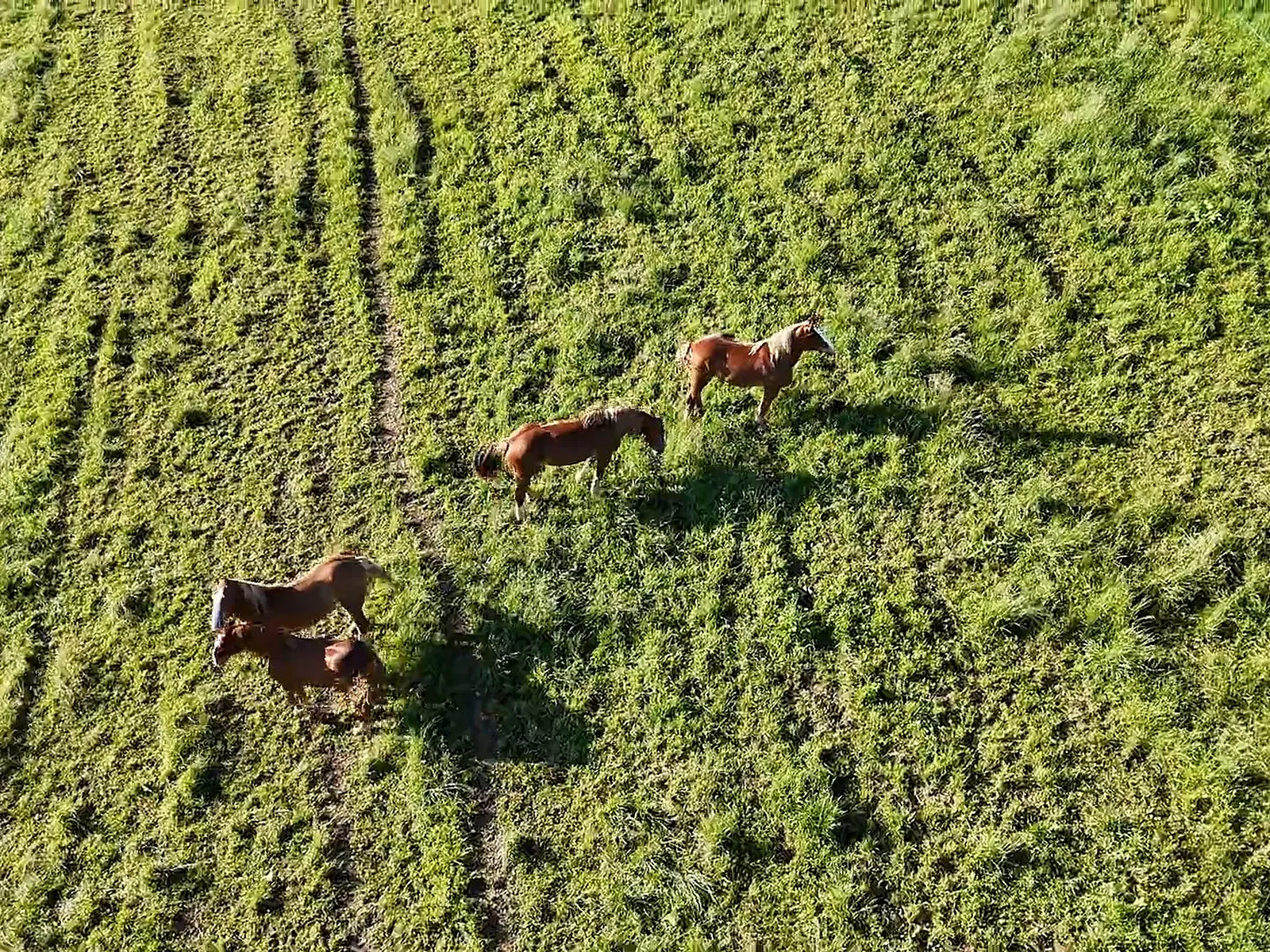
Equestrian & Hunt Country · Equestrian service
Invasive control in turnout and paddock edges
Multiflora rose, autumn olive and briar dominate old fields in this valley. Taking them out of turnout is a management question, not a single visit.
Invasive control on a horse property starts by naming the target vegetation, the areas to protect and the follow-up needed. Multiflora rose, autumn olive and briar are cut standing with an industrial brush cutter, ground where they stand, and the edge is put on a maintenance schedule so they do not walk back into the paddock.
Horses, people and vehicles stay clear of the active work zone throughout.
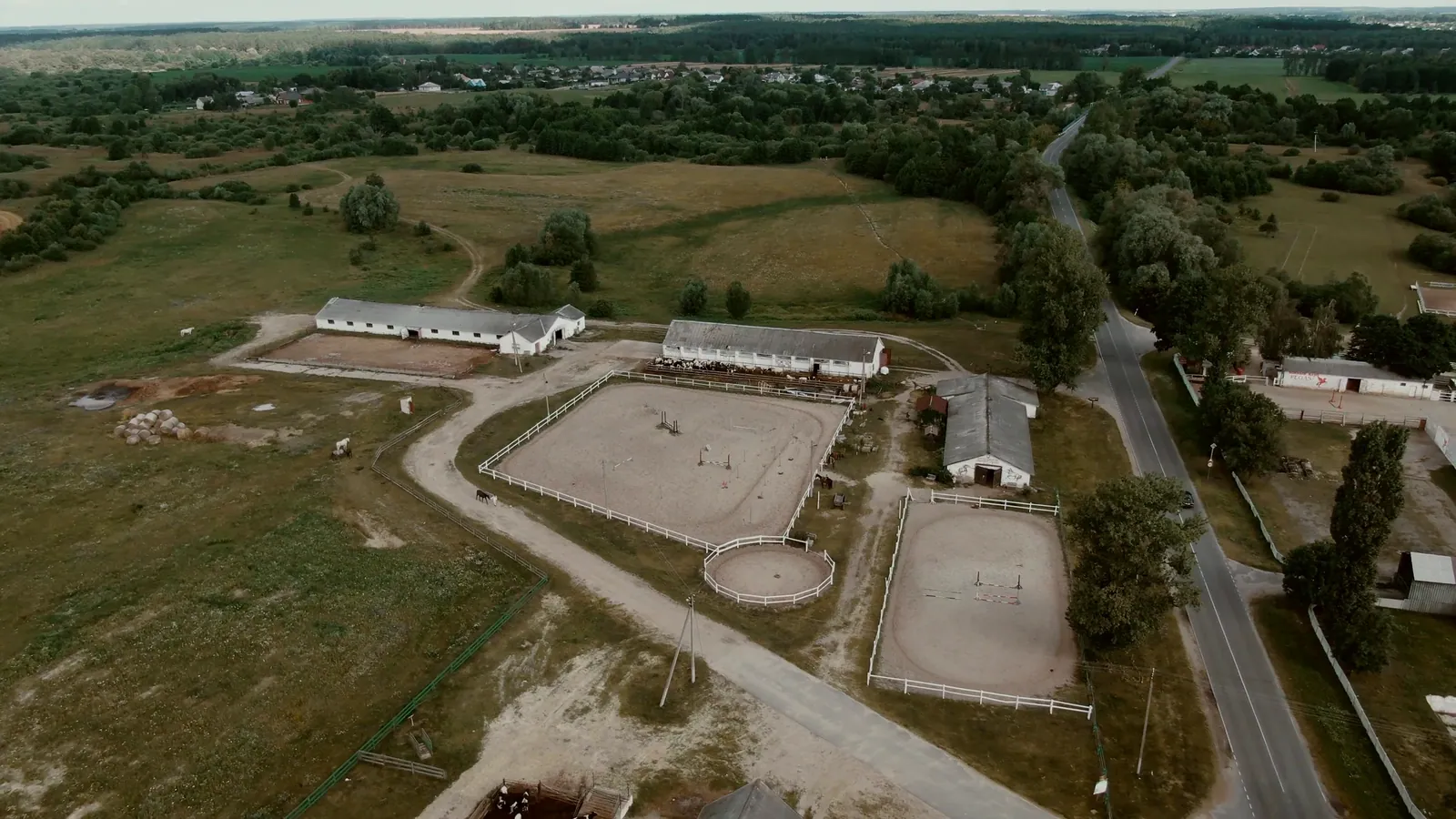
Why it keeps coming back
These species spread from field edges, hedgerows and fence rows into open ground. A single cut opens the pasture; it does not remove the source along the edge. The scope says plainly what the first pass does and what the next season will need.
Working inside turnout
Turnout is worked when horses are moved or the paddock is closed, in the sequence agreed on the walk. The finish standard is the same as pasture reclamation: no stobs, no wire, nothing left that will catch a hoof.
- Target species named in the scope
- Fence rows and hedgerows treated as the source
- Seasonal knockdown plan for reclaimed ground
- Retained trees and shade marked before work
Conserved and eased ground
Much of the land around West Marlborough and Unionville sits under conservation easements, and easement language often asks for invasive management and field maintenance. Mulching leaves roots in place and soil undisturbed, and the easement language is reviewed with the owner before scoping.
Cost-share for brush management
Some farms look at NRCS EQIP for help with brush management on agricultural land. Eligibility and payment are set by NRCS for each applicant, and the application stays with the owner; the written scope can describe the work in the terms an application needs.
Asked about invasive control in turnout and paddock edges
Do you use herbicide in turnout?
The mechanical scope is what Huntly carries out. Any licensed application is a separate line run under separate paper, and on a horse property that decision belongs to the owner.
How soon does it grow back?
It depends on the species and how established the edge is. The scope includes a follow-up recommendation for that ground.
Five steps, in this order.
- The first messageSend the property location, rough acreage, a few photographs and what is getting in the way: turnout, access, a fence line, a trail.
- The site walkWe walk the ground with you and record barn approaches, turnout routes, electric fence, water lines, gates and retained trees.
- The written scopeWhat stays, what changes, where the work starts, and the finish expected at gates, corners and paddock edges, all in one proposal.
- The work, sequenced around the farmPaddocks and lines are worked in the order agreed on the walk, so turnout and the rest of the farm keep running.
- The walkthrough and the recordWe walk the finished ground with you against the scope, and the before and after record stays with the farm.
Cost, timing, permits and the ground
Regulatory notes are general guidance; Huntly confirms the rules that apply to each site before work.
What shapes the cost of horse farm land work in Chester County horse country?
Density and stem size, ground and terrain, access and staging, finish standard, resource plan, stewardship and schedule. Haul-off of non-organic debris, stump grinding below grade, permits and licensed applications are quoted as separate visible lines. Every job is priced in writing after a private site walk, and the walk carries no charge inside the service region.
When is the best time of year for horse farm land work in Chester County horse country?
Dormant season, from late fall through winter, gives leaf-off sightlines, firm or frozen ground and visible stems, and it is when Huntly has the most capacity. As general guidance in Pennsylvania, cutting of larger trees is commonly timed to the October 1 to March 31 window, when bats are not roosting in trees. Huntly confirms whether and how that window applies to each site before scheduling.
Do I need a permit for horse farm land work in Chester County horse country?
It depends on the township, the slope and any water nearby. In Chester County, earth disturbance over 5,000 square feet needs a written erosion-and-sediment-control plan, and one acre or more needs NPDES coverage. Whether a mulching scope counts as earth disturbance is a question for the approving body, so for Chester County horse country we confirm with the township or conservation district before work.
Is forestry mulching better than bulldozing?
For most brush and small-tree work, yes. Mulching leaves roots in the ground and a chip layer on the surface, so slopes stay put, stream-adjacent ground stays stable, and there are no burn piles or haul-off loads. A buildable surface, root-ball removal, grading or drainage work may call for a broader clearing or excavation plan.
What happens to the mulch and the timber?
It is left as a thin layer that holds soil and suppresses regrowth for a season or two, then breaks down into the ground it came from. Merchantable timber is decked on the property for the owner rather than hauled away.
Will the equipment rut the ground, and can you work near horses and water?
The track carriers work on low-ground-pressure tracks, so slopes, paddocks, soft fields and stream-side ground are worked without the rutting wheeled equipment leaves. Whether horses stay on the property during the work is settled on the site walk for that farm, and turnout is worked when horses are moved or the paddock is closed. Ground beside streams and wet areas is flagged on the walk before any work is scheduled.
More from the Equestrian & Hunt Country division
- Pasture and paddock reclamation for horse farms
- Fence-line clearing for horse farms and estates
- Riding trails and bridle paths
- Storm cleanup on horse farms
- Hunt country land stewardship
- The site walk on a horse property
- Land work in Chester County & SE Pennsylvania
- Land work in Northern Delaware
- All counties and towns we serve
Four answers, and your walk is scoped.
hello@huntlyland.comSend the town, rough acreage and two or three photographs. We reply by email with site-walk times, and a written scope follows the walk.
Office hours Monday to Saturday, 8 a.m. to 4 p.m. On call 24/7 for storm and emergency cleanup. If anyone is in danger, call 911 first.