Estates & Conservation Properties · Estates service
Invasive management on estate ground
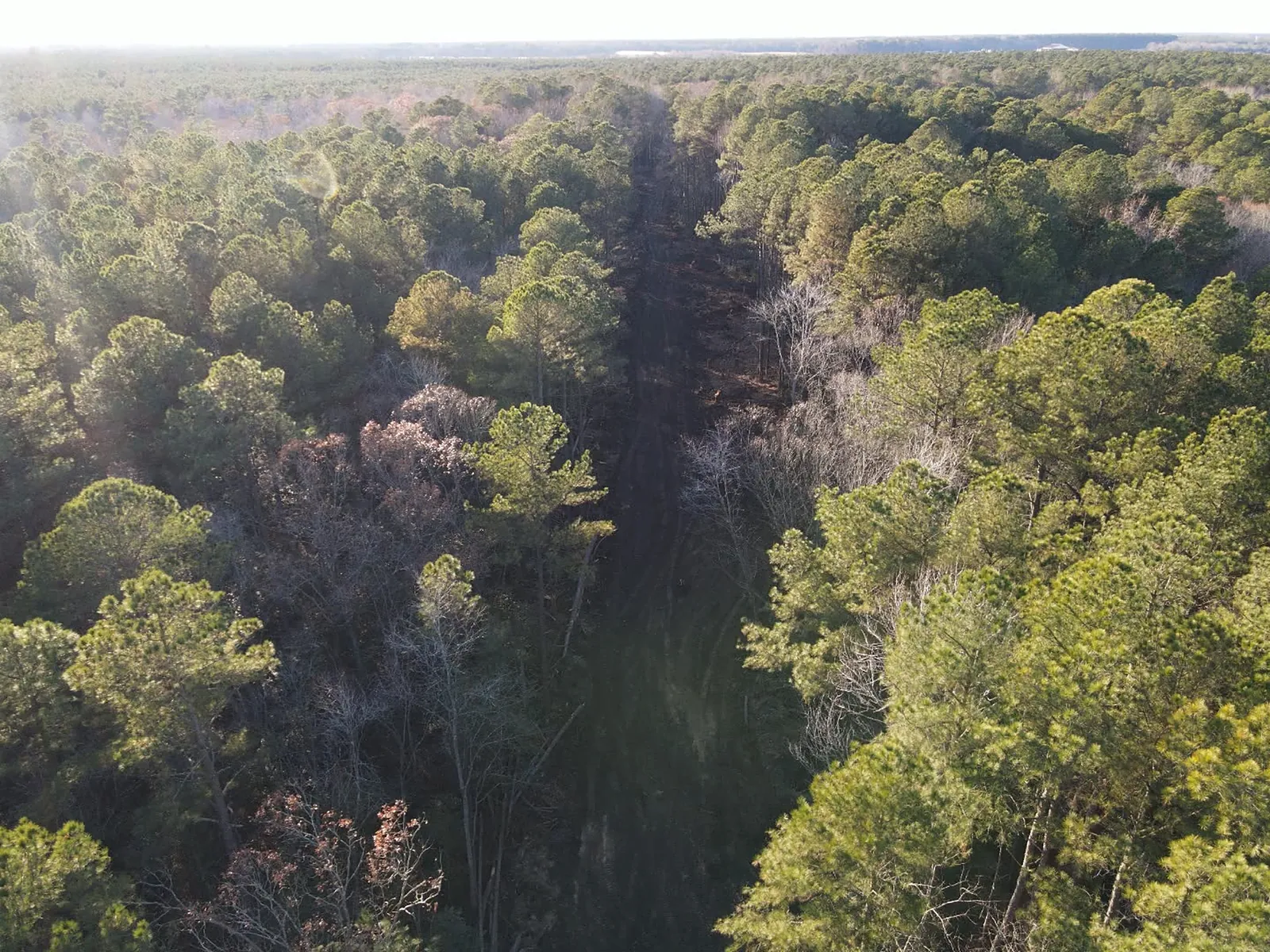
Invasive growth is a management question. The first scope names the target, the ground to protect and what follow-up is needed.
Multiflora rose, autumn olive and briar dominate old fields in this valley; oriental bittersweet presses on woodland edges, and bamboo escapes where ornamental plantings meet real woods. Huntly removes the invasive layer mechanically, grinds it in place, and writes the follow-up the ground will need into the scope.
Beneath trees you want to keep
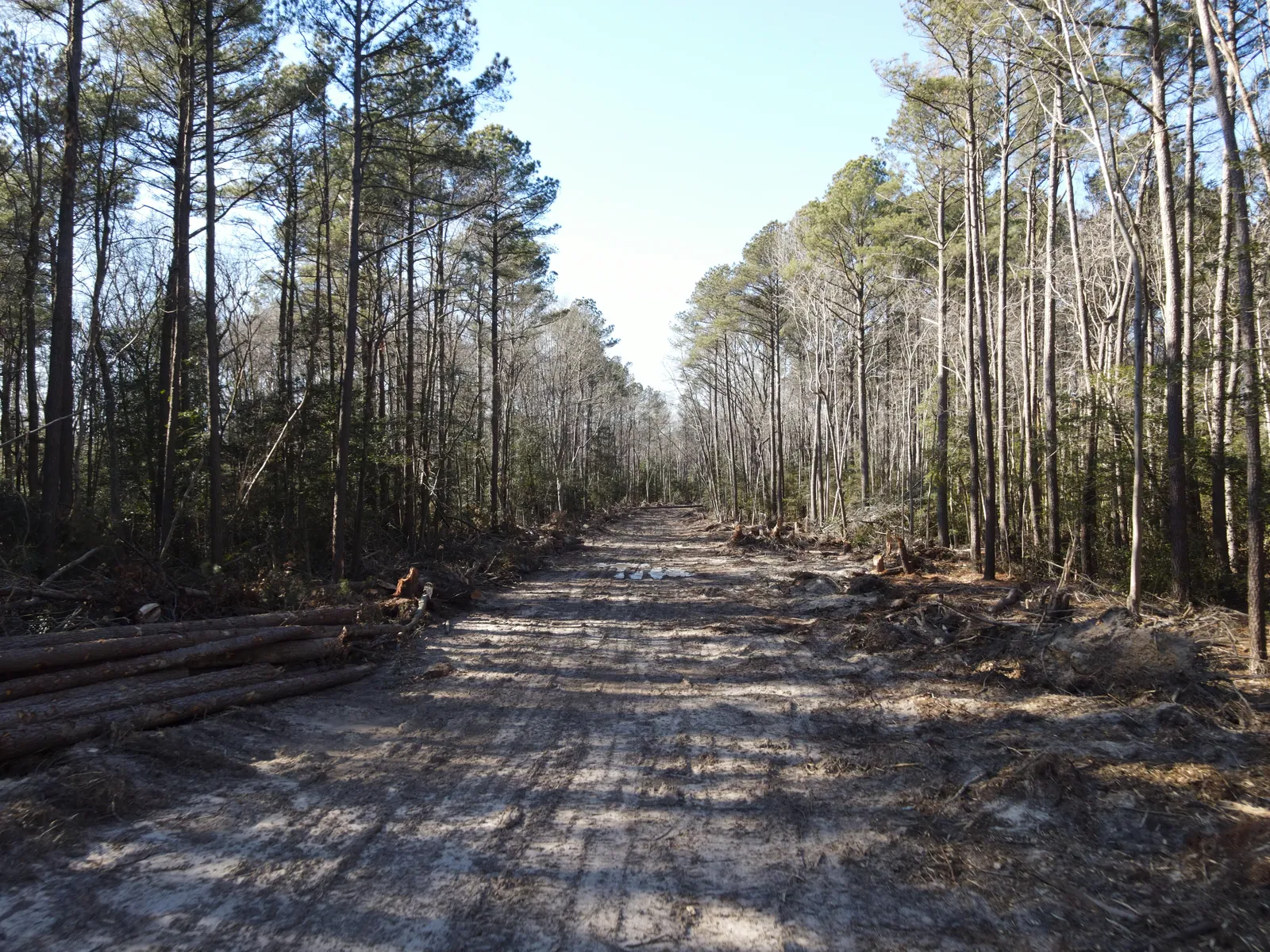
On estate ground the invasive layer often sits under specimen trees and legacy canopy. The work grinds the understory without touching the canopy that frames it, and the retained trees are marked on the walk.
- Target species named in the scope
- Specimen and legacy trees protected
- Bamboo and running species given a repeat schedule
- Removed growth mulched in place where it can stay
Containment at the edge
Where plantings meet woods, the boundary is where trouble lives. Containment work defines that edge and keeps it, rather than clearing once and leaving the source standing.
Along the water
Along water, Phragmites management runs as a multi-year program. That work is carried by the Coastal and Phragmites Management division.
Asked about invasive management on estate ground
Does one pass get rid of bamboo?
No. Mechanical work suppresses top growth and restores access; rhizomatous species regrow and need a repeat schedule, which is written into the scope.
Do you apply herbicide?
Mechanical work is what Huntly carries out. Any licensed treatment runs under separate paper.
Five steps, in this order.
- Walk the propertyA private walk of the ground with the owner, the builder or the estate manager, marking openings, retained trees, features, water and slopes.
- Establish the written scopeOne document with the scope, finish standard, resource plan, stewardship measures and schedule, so nothing rests on a verbal assumption.
- Confirm the work planStaging, access and the date are confirmed in writing before any equipment reaches the property.
- Carry out the scopeMulch-first work by the project lead named at the walk, with merchantable timber decked for the owner.
- Review the finished groundA final walkthrough against the written finish standard, with the follow-up the ground will need noted for next season.
Cost, timing, permits and the ground
Regulatory notes are general guidance; Huntly confirms the rules that apply to each site before work.
What shapes the cost of estate land clearing in the Brandywine Valley?
Density and stem size, ground and terrain, access and staging, finish standard, resource plan, stewardship and schedule. Haul-off of non-organic debris, stump grinding below grade, permits and licensed applications are quoted as separate visible lines. Every job is priced in writing after a private site walk, and the walk carries no charge inside the service region.
When is the best time of year for estate land clearing in the Brandywine Valley?
Dormant season, from late fall through winter, gives leaf-off sightlines, firm or frozen ground and visible stems, and it is when Huntly has the most capacity. As general guidance in Pennsylvania, cutting of larger trees is commonly timed to the October 1 to March 31 window, when bats are not roosting in trees. Huntly confirms whether and how that window applies to each site before scheduling.
Do I need a permit for estate land clearing in the Brandywine Valley?
It depends on the township, the slope and any water nearby. In Chester County, earth disturbance over 5,000 square feet needs a written erosion-and-sediment-control plan, and one acre or more needs NPDES coverage. Whether a mulching scope counts as earth disturbance is a question for the approving body, so for the Brandywine Valley we confirm with the township or conservation district before work.
Is forestry mulching better than bulldozing?
For most brush and small-tree work, yes. Mulching leaves roots in the ground and a chip layer on the surface, so slopes stay put, stream-adjacent ground stays stable, and there are no burn piles or haul-off loads. A buildable surface, root-ball removal, grading or drainage work may call for a broader clearing or excavation plan.
What happens to the mulch and the timber?
It is left as a thin layer that holds soil and suppresses regrowth for a season or two, then breaks down into the ground it came from. Merchantable timber is decked on the property for the owner rather than hauled away.
Will the equipment rut the ground, and can you work near horses and water?
The track carriers work on low-ground-pressure tracks, so slopes, paddocks, soft fields and stream-side ground are worked without the rutting wheeled equipment leaves. Whether horses stay on the property during the work is settled on the site walk for that farm, and turnout is worked when horses are moved or the paddock is closed. Ground beside streams and wet areas is flagged on the walk before any work is scheduled.
More from the Estates & Conservation Properties division
- Forestry mulching for private estates
- Selective clearing around what you want to keep
- Estate drives and farm lanes
- View corridors and vista openings
- Conservation easement properties
- Building sites and envelopes
- Water, slopes and permits
- Land work in Chester County & SE Pennsylvania
- Land work in Northern Delaware
- All counties and towns we serve
Walk the ground with us.
hello@huntlyland.comSend the town, rough acreage and two or three photographs. We reply by email with site-walk times, and a written scope follows the walk.
Office hours Monday to Saturday, 8 a.m. to 4 p.m. On call 24/7 for storm and emergency cleanup. If anyone is in danger, call 911 first.